If you’re a welder, your work happens in the shop, helmet on and hands busy, not in front of a computer. So when someone brings up artificial intelligence, it sounds distant, like an office thing. But there’s a part of your day that does live on paper: the job sheets, the defect reports, the safety data sheets and the quotes. That’s where AI for welders can take hours off your plate.
Not to weld for you, since that’s years of craft and a steady hand no machine has. To help you with the paperwork and the technical questions, and give you back time for what you actually do well.
Job sheets and reports in minutes
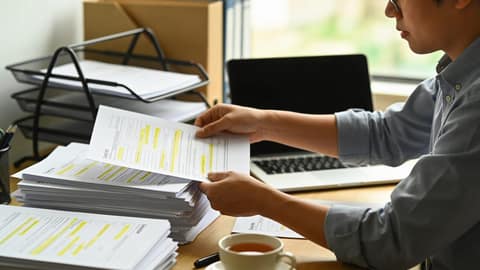
Every serious job leaves a paper trail: what material, what process (MIG, TIG, stick), what amperage, what position and what inspection. Writing that by hand at the end of a long day is tedious, and it often gets left half done.
You can dictate or type the loose data to an AI and ask it to build the sheet in order. For example: “Build a job sheet with this data: carbon steel, MIG process, 180 amps, horizontal position, butt joint, client García shop. Leave spaces for a photo and visual inspection”.
In seconds you have a clear, presentable document. You review it, confirm the numbers are right and hand it over.
Understand joint defects (as a second opinion)
Every welder knows the classics: porosity, lack of fusion, undercut, spatter, cracks. AI can’t see your bead (it isn’t in the shop with you), but it is a solid conversational manual when you have a doubt.
You can describe what you see: “I’m getting porosity on a MIG bead over steel, with shielding gas. What are the most common causes and what should I check first?”. It gives you an ordered list of possible causes and where to start ruling things out.
Careful, this is a study and quick reference guide, not a verdict. The real inspection is done by you with your experience, your standards (like AWS or whatever applies in your country) and, when needed, nondestructive testing. AI makes mistakes and does not replace a certified inspector.
Safety and standards always at hand
Welding safety is non negotiable: fumes, arc radiation, confined spaces, compressed gases. AI is useful for reviewing and for preparing safety materials for your crew.
- Ask it for a safety checklist before starting a specific job.
- Ask it to explain a material or gas safety data sheet in plain words.
- Ask it for a short safety reminder to hand to an apprentice.
That said, for exact limits and official procedures, always confirm with the current standard and the manufacturer’s sheet. AI helps you understand and organize, not replace the official source.
Quotes and client communication
Many independent welders lose jobs not because they weld badly, but because they’re slow to reply or their quotes are messy. Here AI is your office assistant.
You give it the data (material, estimated hours, consumables, travel) and ask for a clear, professional quote, or a friendly message to reply to the client. In two minutes you have something that builds trust, without fighting the formatting.
Start with the paperwork you hate most
You don’t have to digitize your whole shop tomorrow. Pick a single thing: the job sheet you always leave half done, or the quote you keep putting off. Hand it to an AI this week and see how much time you win back for the arc.
If I, without being a metal technician, learned to build with AI step by step, you with your craft in your hands can use it to shed the paperwork and keep what you love: welding well.
Want these tools compared in depth? Check the unbiased reviews.