
June 15, 2026
AI Agents Explained: How Digital Brains Think and Act
What an AI agent really is: a digital brain connected to digital hands. How it thinks, remembers, decides, and acts, and why it's different from a chatbot.
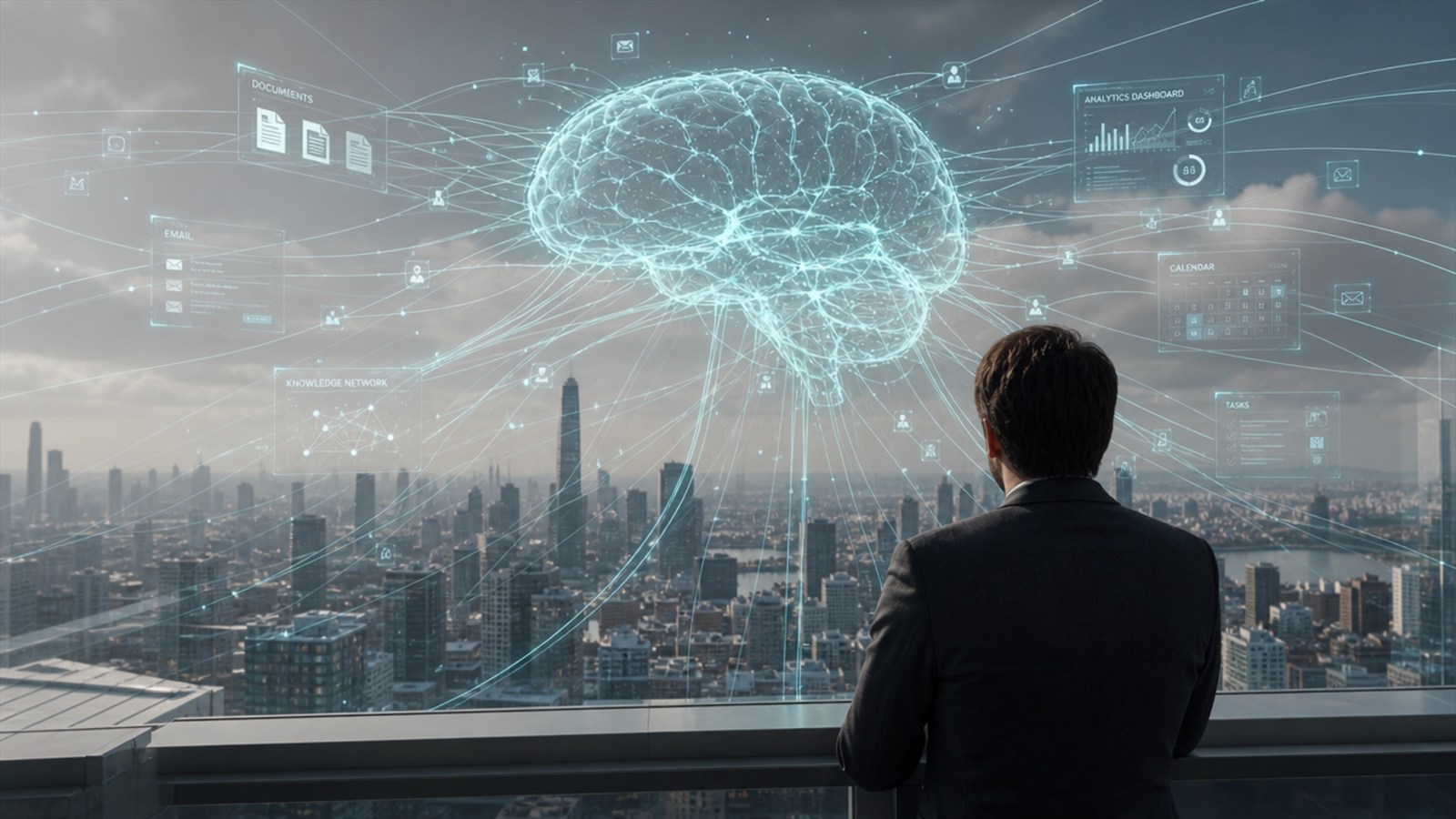
Imagine having access to a digital brain that never gets tired, can process thousands of pieces of information in seconds, and can help solve problems around the clock.
That is the basic idea behind an AI agent.
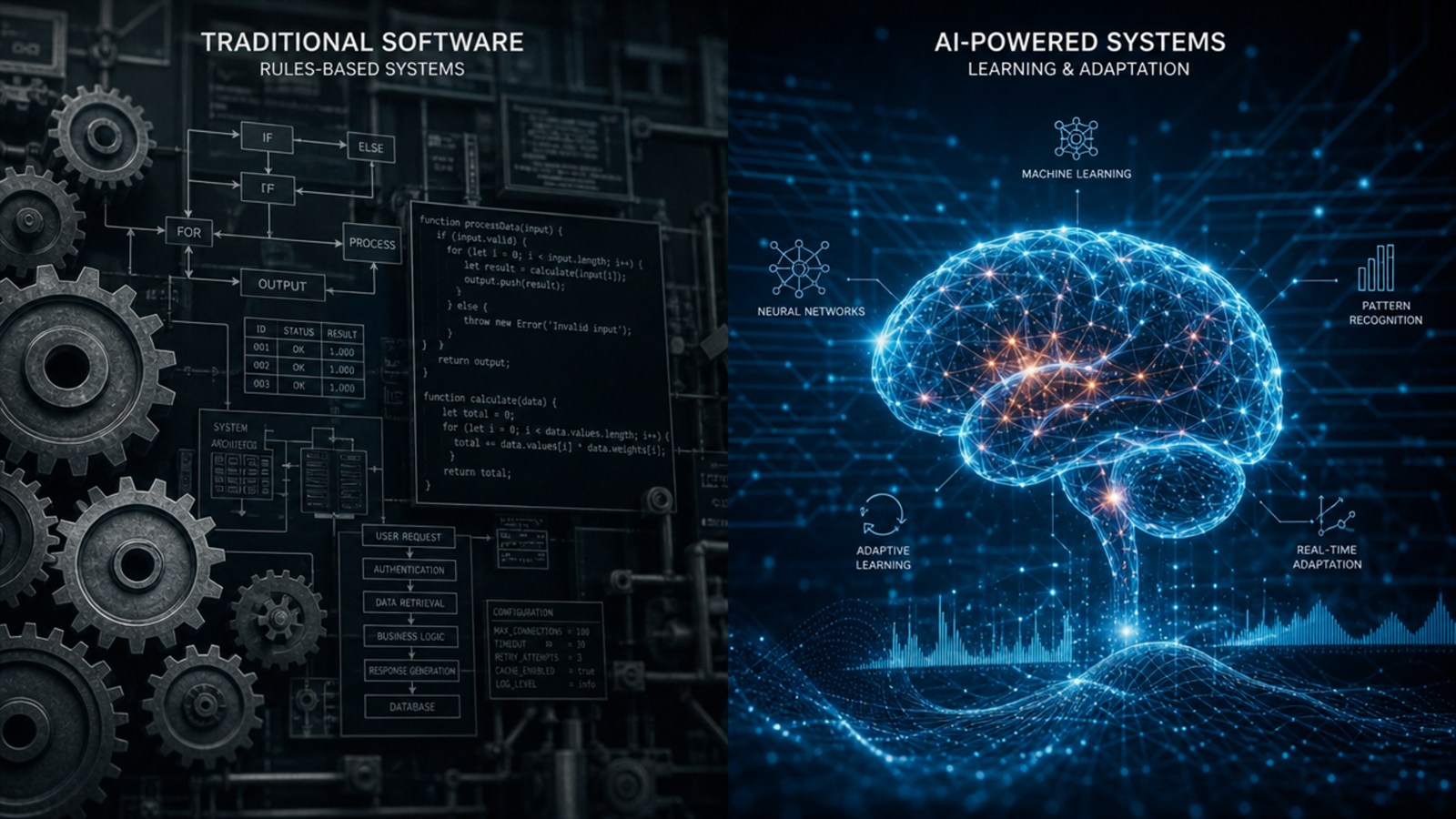
Unlike traditional software that follows rigid instructions, AI agents can analyze information, make decisions, learn from context, and take action toward a goal. They combine the intelligence of modern AI models with the ability to interact with tools, websites, documents, and applications.
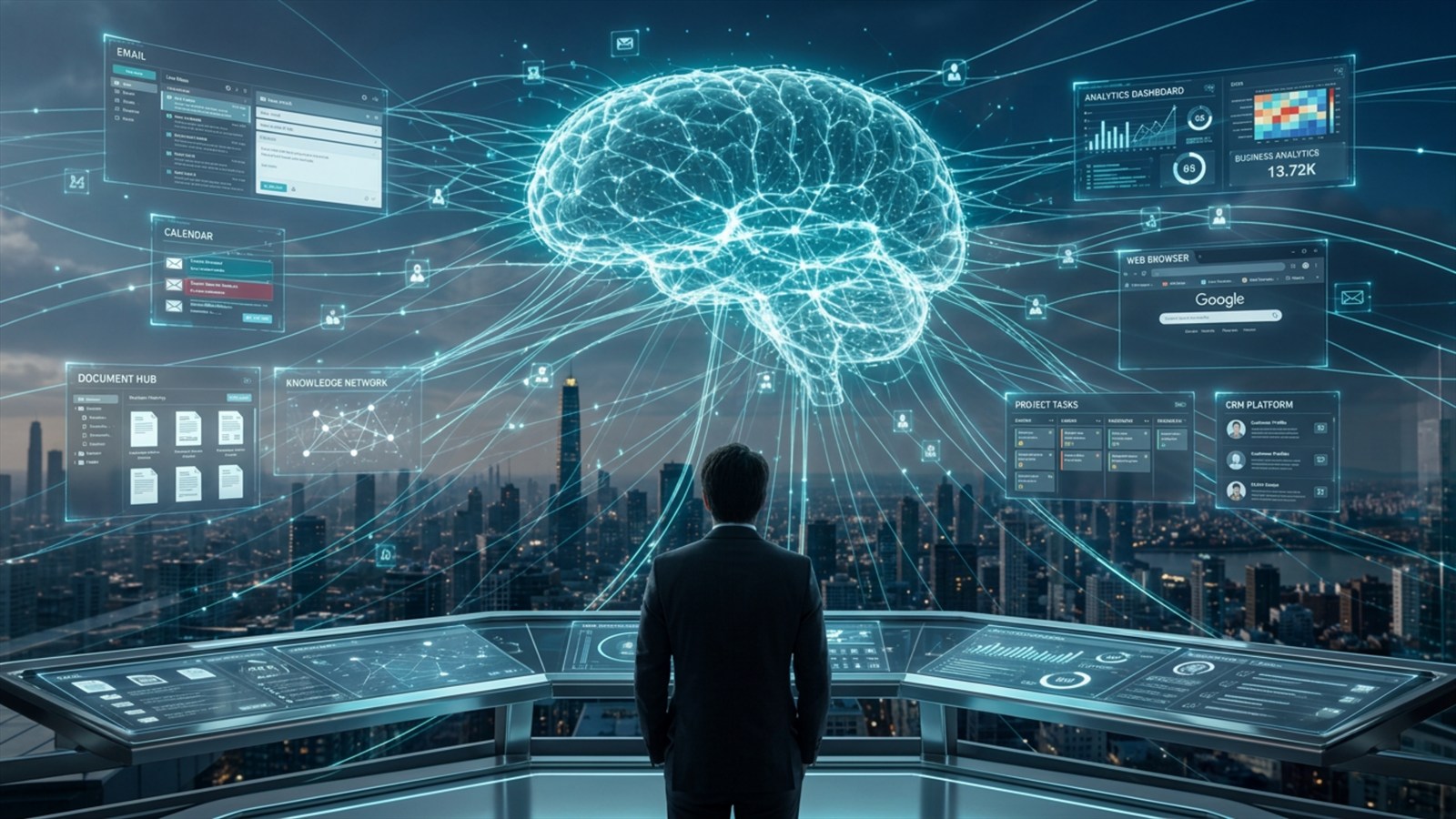
Think of an AI agent as a digital brain connected to digital hands. The brain decides what should happen. The hands perform the work.
The AI brain
Most people think an AI agent is simply a chatbot.
In reality, the chatbot is often just the communication layer. The true power comes from the AI brain operating behind the scenes.
An AI brain can:
- Understand language
- Analyze information
- Identify patterns
- Make recommendations
- Create plans
- Reason through problems
Just like the human brain receives information through the senses, an AI brain receives information through text, documents, images, databases, and software tools.
From thinking to acting
A brain that only thinks isn’t very useful.
What makes AI agents different is their ability to take action. After analyzing a situation, an AI agent can:
- Search the web
- Read documents
- Write reports
- Schedule meetings
- Send emails
- Update databases
- Build workflows
This combination of intelligence and action is what separates an AI agent from a traditional chatbot.
Memory makes agents smarter
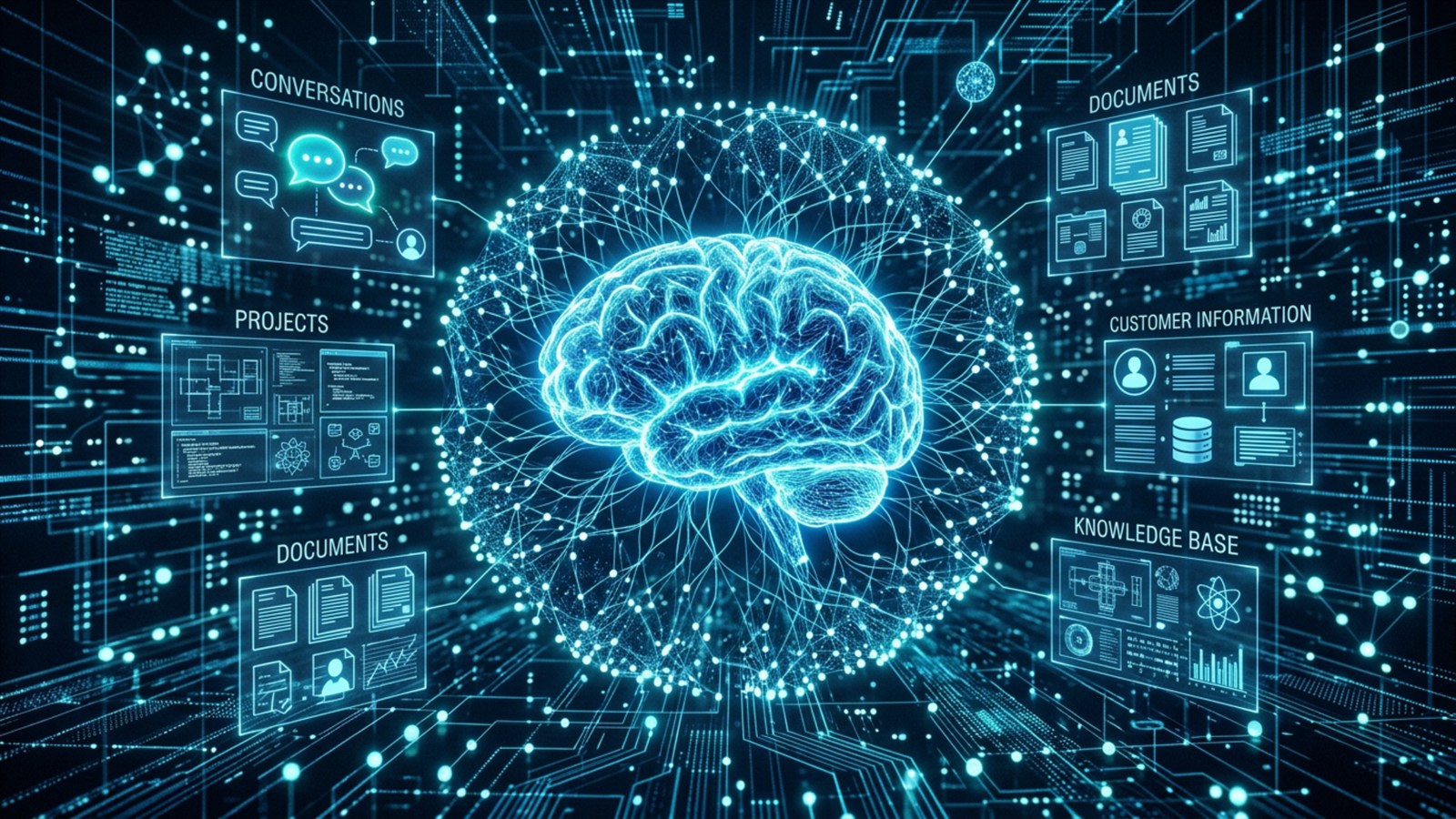
Memory is one of the most important components of advanced AI agents.
Without memory, every conversation starts from scratch. With memory, an AI agent can:
- Remember preferences
- Recall previous projects
- Learn workflows
- Build context over time
This is similar to how humans learn. Every experience becomes part of a larger knowledge base that helps future decision-making.
How AI agents make decisions
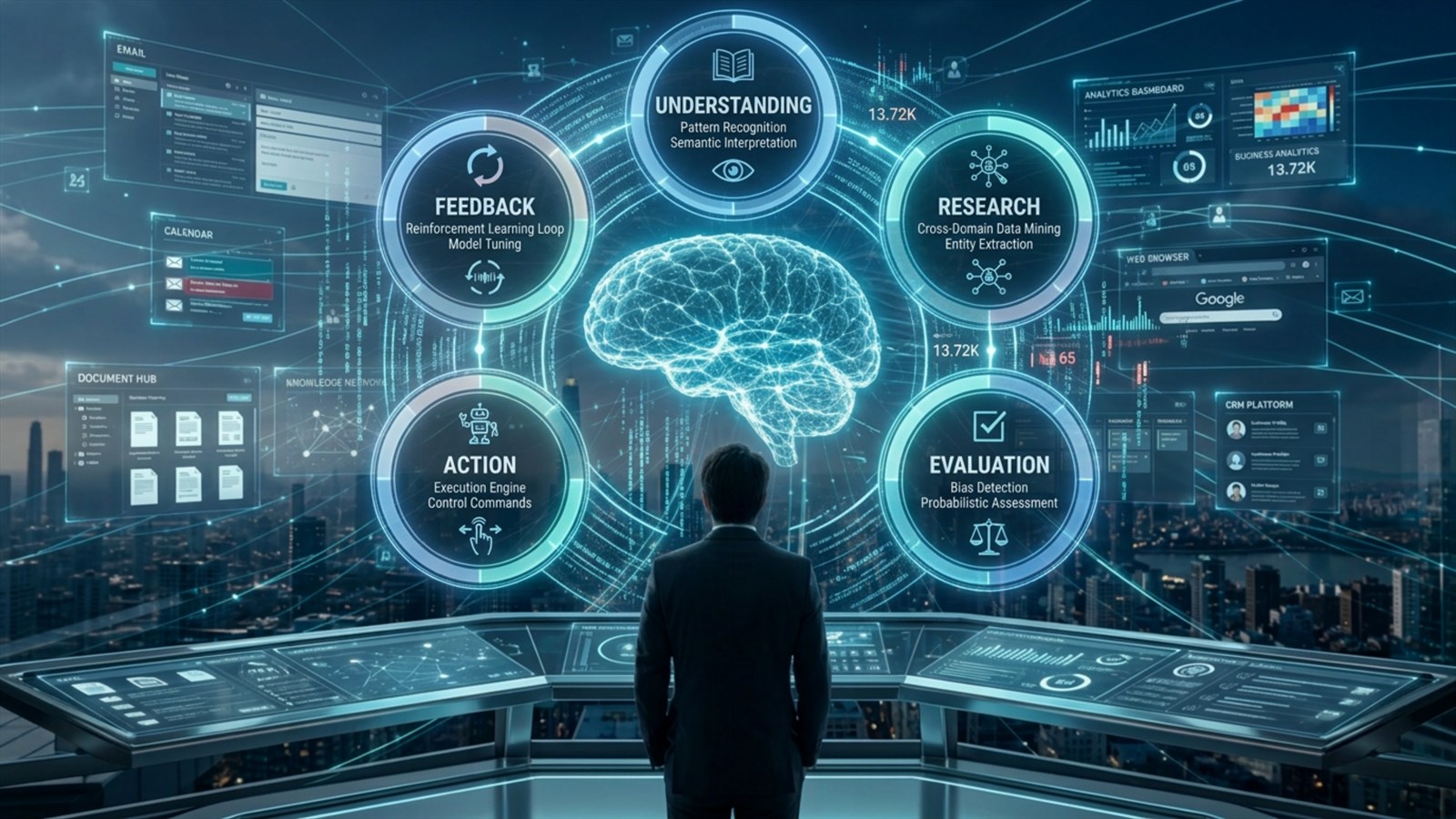
When faced with a task, an AI agent typically follows a process similar to human reasoning:
- Understand the objective
- Gather information
- Evaluate options
- Create a plan
- Execute actions
- Review results
Modern agents can repeat this cycle many times until a goal is completed.
AI agents vs traditional software
Traditional software follows fixed instructions. AI agents can adapt.
For example:
Traditional software: “If A happens, do B.”
AI agent: “Analyze the situation and determine the best next step.”
This flexibility makes AI agents useful for complex tasks that cannot be fully predicted in advance.
The future of digital brains
Today’s AI agents are only the beginning.
Future AI systems will likely function as highly specialized digital brains that help individuals and businesses manage increasingly complex workloads.
Rather than replacing people, these systems will act as intelligence amplifiers, helping humans think faster, make better decisions, and focus on creativity and strategy.
The most successful professionals may soon have entire teams of AI brains working alongside them.

Want these tools compared in depth? Check the unbiased reviews.